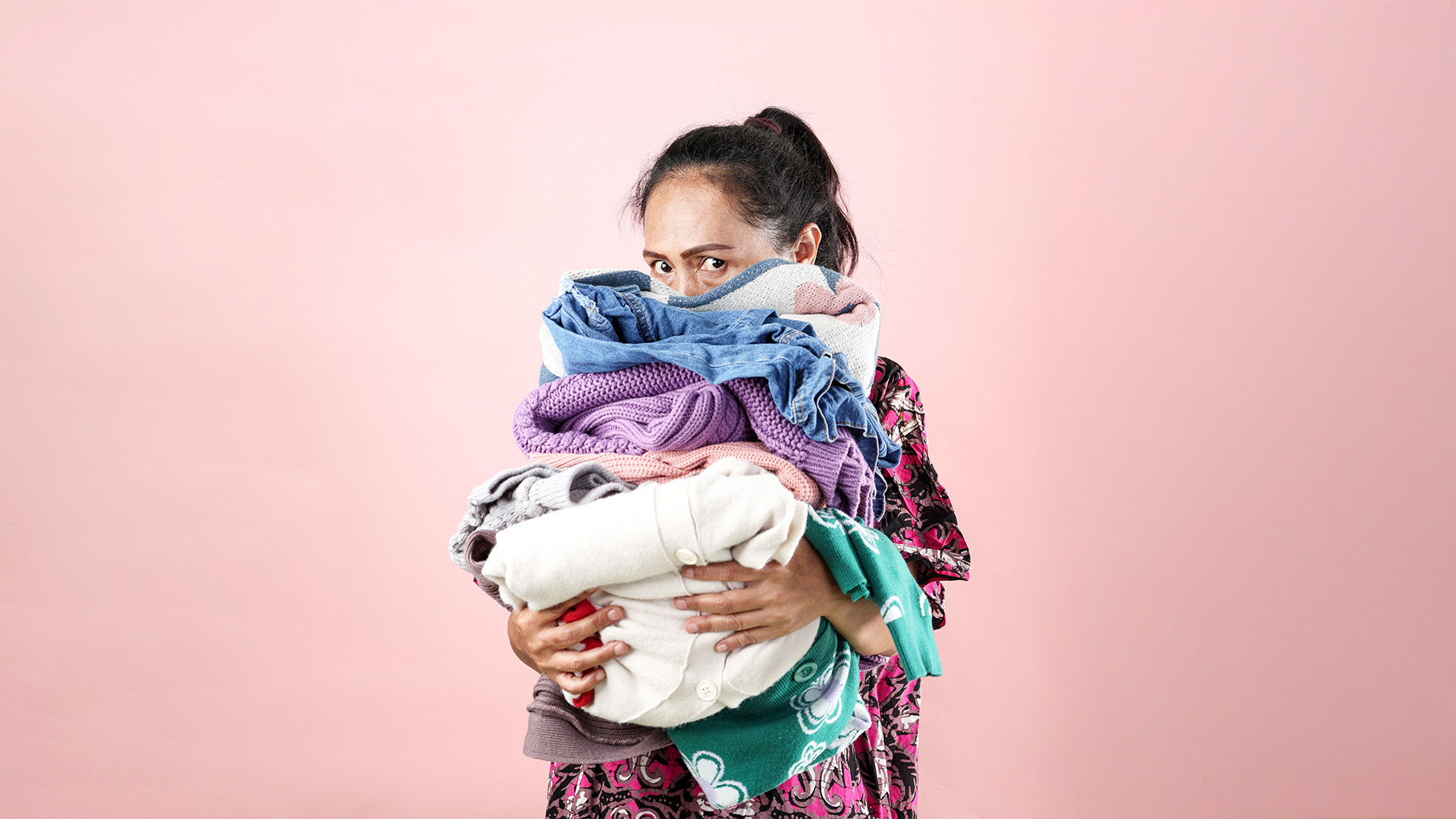
Doing laundry may sound simple: put clothes into the machine, add detergent, and wait for the cycle to finish.
But when we visited consumers at home, we saw that there is much more happening behind the scenes. Laundry involves many small decisions: which clothes can be washed together, which stains need extra attention, what needs to dry quickly, and which items need to look especially clean and presentable.
Our short exploratory home visits showed one clear thing: while the machine does the washing, consumers still do a lot of the work.
Before starting a load, people often check the laundry pile, separate selected items, treat visible stains, and think about the weather or available drying space.
Some items need more care than others. White clothes, school uniforms, hijabs, collars, children’s clothes, or garments worn outside the home can feel more important because people worry about how they will look, smell, or feel.
For consumers, clean clothes are not only about removing dirt. They also need to look bright, smell fresh even after being stored, feel comfortable, dry on time, and be ready to wear without needing another wash.
This is why consumers may use more than one product in their routine. Each product has a different role: washing, removing tough stains, adding fragrance, softening fabric, refreshing odour, or making ironing easier.
A survey can tell us what consumers say they usually do. A home visit helps us see the small habits and compromises that are easy to forget to mention.
By observing the routine in context, brands can better understand:
The biggest opportunities may come from solving the small frustrations that consumers have quietly accepted as part of everyday laundry.
Fill in your details below to download the free full report, Beyond the Laundry Cycle, and discover the full observations from our Consumer Home Visit.

We'd love to meet up with you to discuss our potential collaborations.
Research us on
 research@upsresearch.com
|
Our office |
Kota Kasablanka, |
|
Ph. |
+62 21 2960 7282 |
|
Fax. |
+62 21 2960 7201 |
Copyright © 2026 Upsize. All Rights Reserved.

 Flick Poll
 Upsize Research & Insights
 Upsize Digital
 Upsize Academy
Join the conversation
Share insights, questions, or how this article helped you. We value thoughtful comments — be respectful and avoid spam.